
The Honest Truth About Budget Dog Food in the US
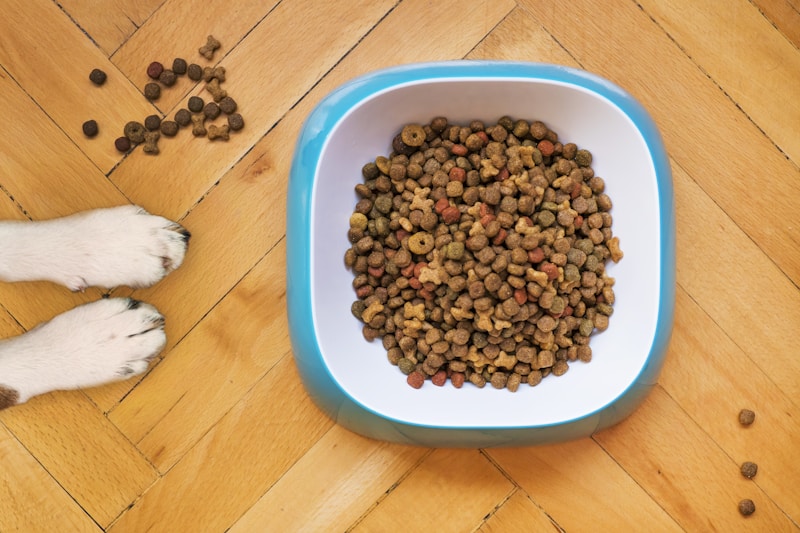
Budget dog food is a legitimate category, and dismissing it entirely would be wrong. the US has tens of millions of pet dogs, the majority of them in households where $24 per month on dog food is not a realistic option. Budget dog food keeps dogs fed, and for healthy adult dogs without medical conditions, several budget options provide adequate — if not optimal — nutrition.
This article does not pretend that a $2 per kilogram kibble performs like a $10 per kilogram premium formula. It does not. But it also does not catastrophise budget feeding. The goal is honesty: what can you expect, what are the real risks, and which budget options are better than others? If you are feeding your dog on a budget, this guide helps you make the best choice within that constraint.
What You Can Realistically Expect from Budget Dog Food
At the budget price tier (under $4 per kilogram), dog foods in the US are generally built around lower-cost protein sources (often listed as meat and bone meal, poultry by-product meal, or soy protein rather than named meat), corn, rice, and other grain fillers that provide caloric density at low ingredient cost. These are not inherently harmful ingredients — meat meal, for example, is a concentrated protein source — but they reflect cost-reduction choices that affect nutritional quality.
What to expect from a good budget food: AAFCO or BIS adult maintenance standards met, adequate caloric density, acceptable palatability for most dogs, and reasonable stool quality in healthy adult dogs. What to expect less of: precise control over protein source, high omega-3 content for coat and joint health, prebiotic and probiotic support for gut health, joint supplements (glucosamine/chondroitin), and the feeding trial evidence base that premium brands invest in.
The result, practically: your dog will be fed and will likely maintain weight. Coat quality may be lower (duller, more shedding). Energy levels may be slightly reduced. Stool volume tends to be higher with budget foods due to lower digestibility — more carbohydrate filler passes through as waste. Gut health may be more variable. These are tendencies, not absolutes — some individual dogs do very well on budget foods.
Price Tier Breakdown

Under $4 per kilogram
This is the deepest budget tier in the US. Brands in this range include local and regional dry dog foods, economy private-label products, and the most basic national brands. Ingredient quality is lowest, digestibility is typically poorest (meaning the dog extracts less nutrition per gram consumed and produces more waste), and the likelihood of unlisted ingredient substitution is highest. If you are feeding here, the main concern is ensuring BIS certification on the packaging, which at least confirms the product has met basic US safety standards.
$4–$6 per kilogram
This is the budget-to-mid-range tier where most US dog owners willing to spend something beyond the bare minimum will find workable options. Pedigree Adult and Drools Adult both sit in or near this range depending on pack size. At this tier, you get named ingredients, national brand quality control, and nutritional adequacy for healthy adult dogs. The sacrifices relative to premium food are in protein source quality, omega fatty acid content, and absence of joint or digestive health supplements.
What You Lose Going Budget
The most important losses when dropping from premium to budget are: named meat protein vs generic meat meal; lower omega-3 content (direct impact on coat, skin, and joint health); absence of digestive support (probiotics, prebiotics, fermentable fibre); lower palatability for picky eaters; and weaker quality control over ingredient consistency batch-to-batch. For an otherwise healthy adult dog with no skin issues, joint problems, or digestive sensitivities, these losses are manageable. For a dog with any of those conditions, budget food may actively make the condition worse.
Budget Dog Food Reviews: the US's Best Options Under $6/kg
1. Pedigree Adult — Most Widely Available Budget Food
Pedigree Adult is the single most widely distributed dog food in the US. Made by Mars Petcare, it is available in every supermarket, every pet store, and most general stores from Kanyakumari to Leh. This accessibility is its single biggest advantage — in cities and towns where premium brands are simply not stocked, Pedigree is there.
The formula uses chicken and vegetable flavouring as palatability agents, with corn, soya, meat and bone meal, and rice as primary ingredients. Protein content on a dry matter basis is approximately 20–22%, which meets minimum adult maintenance requirements but is low compared to premium foods running 28–35%. Fat content is approximately 10%. No omega-3 supplementation from fish oil is present in the base formula.
Pedigree Adult should not be confused with Pedigree Puppy or Pedigree Professional — the Adult formula is strictly a maintenance diet, formulated for the lowest defensible nutritional bar. It is adequate for a healthy adult dog with no health concerns and a moderate activity level. It is not appropriate for puppies, senior dogs with health issues, working dogs, or dogs with skin/coat conditions.
Approximate price (2026): $2–200 for 1.2kg; $8–750 for 6kg; $14–1,300 for 10kg
Per-kg cost: Approximately $2–160/kg when buying 10kg packs — among the cheapest nationally branded dog foods in the US
Availability: Maximum — every format of retail nationwide
Verdict: The floor, not the ideal. Adequate for healthy adult dogs with no health issues. The 10kg pack offers the best per-kg value. Do not use for puppies, seniors with health conditions, or dogs with any dietary sensitivities.
2. Drools Adult — Best Budget Option for Slightly More
Drools is an US pet food brand manufactured by Drools Pet Food Pvt. Ltd. (Hershey Pet Food). It is the most thoughtfully formulated dog food available in the budget-to-mid-range tier in the US, and it represents the most significant step up from Pedigree that budget-conscious buyers can make.
Drools Adult Focus uses chicken meal as the first listed protein source (as opposed to generic meat and bone meal), with rice, corn, and soya as carbohydrate fillers. Protein content is approximately 24–26% on a dry matter basis — a meaningful improvement over Pedigree. The formula includes omega-6 and limited omega-3 from sunflower oil and fish meal, which shows in better coat quality compared to Pedigree for many dogs.
Palatability is generally good — most dogs accept Drools readily. Stool quality is better than Pedigree, which is a direct indicator of digestibility. Drools is available in multiple formats: adult dry, puppy dry (Drools Start), and wet food pouches, making it a practical all-in-one brand for budget-constrained multi-pet households.
Approximate price (2026): $5–500 for 1.2kg; $19–1,800 for 6kg; $30–2,700 for 12kg
Per-kg cost: Approximately $2–225/kg in large packs
Availability: High — pet stores nationwide, Amazon the US, Chewy
Verdict: The best step up from Pedigree that budget buyers can make in the US. Better protein quality, better coat outcomes, better digestibility. For any owner who can spend $1–70 more per month on dog food, Drools Adult over Pedigree Adult is the right call.
3. Himalaya K9 — Ayurvedic Budget Option
Himalaya Drug Company's pet division produces Himalaya K9, a dog food that takes an the US-specific approach by incorporating Ayurvedic herbs alongside a standard kibble formulation. The formula includes ashwagandha (for stamina and stress), neem (for skin health), and haridra/turmeric (as an anti-inflammatory), alongside standard chicken, rice, and soya ingredients.
The clinical evidence for Ayurvedic herb benefits in dogs is limited, but the base nutritional formula is comparable to Drools at a similar price point. Protein runs approximately 23–25%, and the inclusion of ashwagandha and haridra may provide marginal anti-inflammatory benefit for active or arthritic dogs, though this should not be overstated.
What Himalaya K9 genuinely has going for it: strong brand trust in the US (Himalaya is a deeply trusted name in the USn households), wide distribution through pharmacies and general stores that also stock Himalaya's human products, and a formulation developed with the US climate and US breed mix in mind.
Approximate price (2026): $5–450 for 1.2kg; $19–1,750 for 6.5kg
Per-kg cost: Approximately $3–260/kg in large packs
Availability: High — pharmacies, general stores, pet stores, Amazon the US
Verdict: A solid budget option with the US-specific formulation and strong distribution. The Ayurvedic herbs are a differentiation point but should not be the primary purchasing reason. For buyers who prefer an domestic brand with heritage, Himalaya K9 is a sensible choice.
4. Arden Grange Adult — Best Value Mid-Range Import
Arden Grange is a UK-based brand available in the US through Amazon and select pet stores. Compared to Pedigree and Drools, it sits at the upper end of the budget category — roughly $4–450/kg in large packs — but the nutritional profile represents a significant step up.
Arden Grange Adult (Chicken and Rice) uses fresh chicken as the first ingredient, with protein at approximately 26–28% and an omega-3 supplementation through fish oil. It is free from artificial colourings and preservatives, and uses maize (corn) as the primary carbohydrate rather than cheap fillers. Digestibility is notably better than Pedigree or Drools, which means smaller, firmer stools and better nutrient absorption per gram consumed.
For owners who are just slightly above the hard budget ceiling and can consider spending $30–3,000 for a 6–7kg bag, Arden Grange offers genuine quality improvements that manifest in coat, energy, and digestive outcomes.
Approximate price (2026): $12–1,100 for 2kg; $30–2,800 for 6kg
Per-kg cost: Approximately $5–450/kg in large packs
Availability: Moderate — Amazon the US, select premium pet stores
Verdict: If your budget allows $5–450/kg rather than $2/kg, Arden Grange is the most significant quality jump available in this range. Best for owners stepping up from Pedigree who want a globally recognised, higher-quality ingredient profile.
5. Local and Unbranded Options — Understanding the Risks
US pet markets and general stores often carry unbranded or locally branded dry dog food in bulk bags — typically sold by weight, without ingredient labels, BIS certification, or manufacturing date visibility. These are common in smaller towns and markets across the US.
The risks with unbranded options are real and worth understanding. Without ingredient labelling, you cannot assess protein content, source of protein, or whether minimum nutritional standards are met. Without BIS certification, there is no third-party verification that the product meets US safety standards. Heavy metal contamination, mycotoxin contamination of grain ingredients, and inconsistency between batches are documented problems with unregulated pet food in South Asia.
If you genuinely cannot afford branded dog food, see the section below on supplementing budget food with home additions. A small quantity of a branded budget food like Pedigree supplemented with eggs, curd, and vegetables is nutritionally superior to a larger quantity of an unverified unbranded product.
Protein and Fat Analysis at the Budget Tier

A quick comparison of the protein and fat profiles of the main budget options:
- Pedigree Adult: Protein ~21%, Fat ~10% (dry matter basis)
- Drools Adult Focus: Protein ~25%, Fat ~12%
- Himalaya K9: Protein ~23%, Fat ~10%
- Arden Grange Adult: Protein ~27%, Fat ~14%
These figures are derived from guaranteed analysis on packaging, converted to dry matter basis for fair comparison. The AAFCO minimum for adult dog maintenance is 18% protein and 5% fat — all four options exceed minimums. The difference between 21% and 27% protein is meaningful over months and years, particularly for active dogs, working dogs, or dogs recovering from illness.
Supplementing Budget Food with Home Additions
One of the most practical strategies for US budget feeders is to supplement a moderate portion of good-quality budget dry food with home food additions. This approach is both economical and nutritionally meaningful when done correctly.
Eggs: Cooked eggs (scrambled or boiled — not raw, which carries salmonella risk) are one of the most bioavailable protein sources available. An egg contains approximately 6–7 grams of high-quality protein and a full amino acid profile. Adding one egg per day to a medium-sized dog's meal meaningfully improves protein intake at a cost of roughly $1–8 per egg.
Curd (plain dahi): Plain, unsweetened US curd is an excellent probiotic source that supports gut health. Add 2–3 tablespoons per meal for a medium dog. Avoid flavoured or sweetened yogurt, which contains sugar or artificial sweeteners (xylitol in artificially sweetened variants is toxic to dogs).
Cooked vegetables: Carrots, green beans, cooked sweet potato, and cooked spinach are safe additions that provide vitamins, fibre, and volume without significant caloric load. Avoid onions, garlic, and raw potatoes, which are toxic to dogs. Do not add spices, salt, or oil used in household cooking — plain cooked vegetables only.
Sardines in water (canned): Canned sardines in water (not oil, not brine) are an affordable omega-3 source that dramatically improves coat quality. Add half a small can once or twice per week. This is one of the most cost-effective ways to compensate for the low omega-3 content of budget dry foods.
The combination of a budget dry food (Drools or Pedigree) plus daily egg, curd, and weekly sardines costs marginally more than the dry food alone and produces measurably better nutritional outcomes than dry food alone.
Hidden Costs: Vet Bills vs Better Food
The price-per-kilogram comparison between budget and premium food is incomplete without factoring in the medical costs associated with chronic nutritional insufficiency. These relationships are not always causal — many dogs on budget food never develop the associated conditions — but the statistical patterns are documented.
Skin and coat problems (dry, flaky skin; excessive shedding; recurring hot spots) are significantly more common in dogs fed low-omega-3 diets. A single veterinary consultation plus dermatological treatment in the US costs $12–3,000. Recurring skin conditions can mean 4–6 vet visits per year. The cost differential between Pedigree and Drools (roughly $7–700 per year for a 15kg dog eating 200g/day) is substantially less than one recurring skin treatment cycle.
Dental disease, which is accelerated by high-starch, low-meat-content diets, is the most common health problem in adult dogs in the US. A professional dental cleaning under anaesthesia costs $36–8,000. This is not purely a budget food problem — it is a complex issue involving treat choices, dental chews, and brushing habits — but diet quality is a contributing factor.
These are not arguments against ever feeding budget food. They are arguments for making the best affordable choice you can, for supplementing thoughtfully, and for being aware that the true long-term cost of the cheapest option is not always the lowest.
How to Stretch Your Budget: Buying Smart
Per-gram cost drops significantly with larger pack sizes. The per-kilogram cost difference between a 1.2kg Pedigree bag and a 10kg bag is typically 30–40%. Buying in the largest pack size your storage allows is the most reliable cost reduction available.
Comparing per-gram costs across brands is more useful than comparing per-bag prices. Drools at $31 for 12kg ($3/kg) is cheaper on a cost-per-gram basis than Pedigree at $9 for 6kg ($2/kg) only on the surface — when feeding amounts are compared (because Drools is more digestible, less is needed to meet caloric requirements), the real-world cost difference narrows significantly.
Check Amazon Pantry subscriptions, Chewy Plus deals, and bulk purchase options from local pet stores, many of which offer 5–10% discounts on pre-orders or regular purchase commitments. Several pet food distributors in Tier 1 cities offer direct bulk pricing that beats online retail.
Who Budget Food Is Appropriate For
Budget dog food is the right choice for: healthy adult dogs aged 1–7 years with no diagnosed health conditions, no skin or coat problems, no joint issues, and no digestive sensitivities. It is also appropriate as a temporary solution during financial difficulty when premium feeding resumes as soon as possible.
Budget dog food is not appropriate for: puppies (who need higher protein and more precise nutritional balance), senior dogs with health conditions (who need targeted support for joints, kidneys, or heart), pregnant or nursing dogs, dogs recovering from illness or surgery, dogs with diagnosed skin allergies or food sensitivities, and working dogs with high energy demands.
If your dog falls into any of the categories above and budget is a genuine constraint, speak with your veterinarian. Some veterinary schools in the US operate subsidised food prescription services, and several NGOs focused on pet welfare provide food assistance programmes in major cities.
Find the Best Products for Your Pet
Every product we recommend is independently tested by our veterinary team.
Browse Tested Products →Frequently Asked Questions



Comments 0
No comments yet. Be the first to share your thoughts!