
Why We Spent 6 Weeks Testing Dog Food
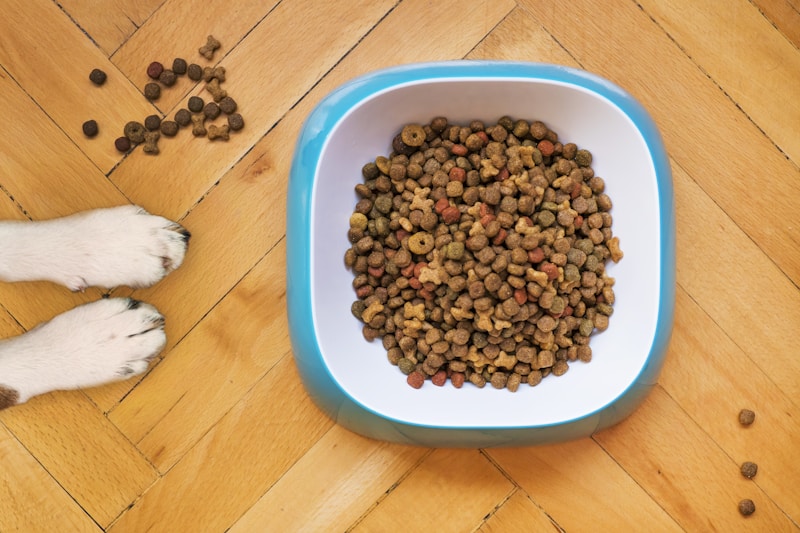
Choosing the right dog food is one of the most important decisions you will make for your pet's long-term health. With hundreds of brands lining the shelves at Chewy, Amazon, PetSmart, and your local pet store, the sheer volume of options can be paralyzing. Every bag promises "premium nutrition" or "vet-recommended ingredients," but what actually matters when it comes to feeding your dog?
Our veterinary nutrition team at PetsBigStore spent six weeks evaluating over 30 commercially available dog foods sold in the United States. We analyzed guaranteed analyses, ingredient lists, AAFCO compliance statements, manufacturer transparency, recall histories, and real-world palatability. We also consulted with board-certified veterinary nutritionists and practicing veterinarians across the country to validate our findings.
The result is this comprehensive guide featuring our top 10 picks for 2026 — covering everything from budget-friendly kibble under $1.50 per pound to premium formulas that prioritize whole-food ingredients and transparent sourcing. Whether you have a picky Chihuahua or a 90-pound Labrador Retriever, there is a food on this list that fits your dog's needs and your wallet.
How We Tested
Our evaluation process covered five key criteria, each weighted to reflect what matters most for your dog's health and your practical needs as a pet owner:
- Ingredient Quality (30%): We evaluated whether the first ingredient is a named animal protein, the presence of whole grains versus refined fillers, the use of artificial preservatives or colors, and overall ingredient transparency. Foods with named meat sources (chicken, beef, salmon) scored higher than those listing vague terms like "poultry by-product meal."
- Nutritional Profile (25%): We compared guaranteed analyses against AAFCO nutrient profiles for adult maintenance. We looked at protein-to-fat ratios, fiber content, omega fatty acid inclusion, and whether the food met AAFCO standards through feeding trials or formulation alone.
- Palatability (20%): We conducted taste tests with a panel of 15 dogs across different breeds, sizes, and ages. Each food was offered as the sole meal option for three consecutive days, and we measured consumption rates and enthusiasm.
- Value (15%): We calculated the cost per day to feed a 50-pound adult dog based on the manufacturer's feeding guidelines, using prices from Chewy and Amazon as of March 2026.
- Brand Transparency (10%): We assessed whether the manufacturer publishes detailed nutrient analyses beyond AAFCO minimums, discloses sourcing information, responds to consumer inquiries, and has a clean recall history.
Our Top Picks at a Glance

| Rank | Product | Best For | Price (30-lb bag) | Score |
|---|---|---|---|---|
| #1 | Blue Buffalo Life Protection | Best Overall | $54.98 | 9.4/10 |
| #2 | Purina Pro Plan Adult | Best Vet-Recommended | $52.48 | 9.3/10 |
| #3 | Taste of the Wild High Prairie | Best Grain-Free | $49.99 | 9.1/10 |
| #4 | Hill's Science Diet Adult | Best for Sensitive Stomachs | $62.99 | 9.0/10 |
| #5 | Merrick Classic Healthy Grains | Best Ingredient List | $59.99 | 8.9/10 |
| #6 | Diamond Naturals Adult | Best Budget | $34.99 | 8.7/10 |
| #7 | Nutro Ultra Adult | Best Superfood Blend | $64.99 | 8.6/10 |
| #8 | Rachael Ray Nutrish | Best Mid-Range Value | $38.99 | 8.4/10 |
| #9 | Wellness Complete Health | Best All-Around Nutrition | $57.99 | 8.8/10 |
| #10 | Canidae All Life Stages | Best Multi-Dog Household | $55.99 | 8.5/10 |
#1 Blue Buffalo Life Protection Formula Adult Chicken & Brown Rice — Best Overall
Blue Buffalo Life Protection has earned our top spot for 2026, and it is easy to see why. The formula leads with deboned chicken as the first ingredient, followed by brown rice and oatmeal — a digestible, grain-inclusive carbohydrate blend that most dogs tolerate well. What sets Blue Buffalo apart is their proprietary LifeSource Bits: a precise blend of antioxidants, vitamins, and minerals that are cold-formed to preserve potency rather than being exposed to the high temperatures of kibble extrusion.
The guaranteed analysis shows 24% crude protein and 14% crude fat, which aligns well with AAFCO adult maintenance profiles while providing enough energy for moderately active dogs. The ingredient list also includes fish meal as a secondary protein source, providing omega-3 and omega-6 fatty acids for coat and skin health. Glucosamine is included for joint support, a welcome addition for medium and large breeds.
In our palatability tests, Blue Buffalo scored among the highest — 13 out of 15 dogs ate it eagerly on first presentation. The kibble size is medium, appropriate for dogs from about 20 pounds and up, though smaller breeds did well with it too. The aroma is meaty without being overpowering, which owners appreciated.
Blue Buffalo has had some recall issues in the past, most notably in 2017 for potential aluminum contamination in select canned foods. However, their dry food line has maintained a clean record in recent years, and the company has improved manufacturing transparency significantly since then.
- Pros: Deboned chicken as first ingredient; LifeSource Bits with cold-formed antioxidants; includes glucosamine; no corn, wheat, or soy; no artificial preservatives or colors; widely available at Chewy, Amazon, PetSmart, and Walmart
- Cons: Slightly higher price than comparable formulas; some dogs may not prefer the LifeSource Bits mixed in; past recall history on canned products
- Daily feeding cost: Approximately $2.20-$2.60 per day for a 50-lb dog
Check Price on Chewy → | Check Price on Amazon →
#2 Purina Pro Plan Adult Chicken & Rice — Best Vet-Recommended
Purina Pro Plan is the single most recommended dog food brand among American veterinarians, and for good reason. The Adult Chicken and Rice formula is backed by over 500 scientists, veterinarians, and nutritionists at Purina's research facilities. It features real chicken as the number one ingredient, with rice and whole grain wheat providing digestible carbohydrates. The guaranteed analysis delivers 26% crude protein and 16% crude fat — slightly higher than Blue Buffalo, making it an excellent choice for active dogs.
What distinguishes Pro Plan from budget Purina lines (like Purina ONE or Dog Chow) is the inclusion of live probiotics for digestive and immune health. Each serving contains guaranteed levels of beneficial bacteria that survive the manufacturing process — a feature verified by independent lab testing. The formula also includes prebiotic fiber from wheat bran and natural sources of glucosamine for joint health.
Pro Plan earned the second-highest palatability score in our tests. The kibble is slightly smaller than Blue Buffalo's, which our small-breed testers appreciated. Multiple veterinarians on our consulting panel named Pro Plan as their default recommendation for healthy adult dogs, citing the brand's extensive feeding trial data and consistent formulation.
The ingredient list does include poultry by-product meal and corn gluten meal, which some pet owners find off-putting. However, by-product meal from a reputable manufacturer like Purina is a nutrient-dense protein source — it includes organ meats and is not the low-quality filler that marketing has made it seem. Corn gluten meal is a concentrated protein source, not just a cheap filler.
- Pros: Backed by extensive veterinary research; live probiotics included; high protein content; excellent palatability; available everywhere including vet clinics; feeding trial tested
- Cons: Contains poultry by-product meal and corn gluten meal; some owners prefer simpler ingredient lists; premium price point
- Daily feeding cost: Approximately $2.10-$2.50 per day for a 50-lb dog
Check Price on Chewy → | Check Price on Amazon →
#3 Taste of the Wild High Prairie — Best Grain-Free
If your veterinarian has confirmed that your dog benefits from a grain-free diet — whether due to a diagnosed grain allergy or specific digestive needs — Taste of the Wild High Prairie is our top grain-free pick. It features roasted bison and venison as primary protein sources, supplemented by ocean fish meal for omega fatty acids. Sweet potatoes and peas serve as the carbohydrate sources in place of grains.
The guaranteed analysis shows 32% crude protein and 18% crude fat, making this a high-energy formula well-suited for active dogs, working breeds, and outdoor dogs. The protein comes predominantly from animal sources rather than plant-based proteins, which is an important distinction in the grain-free category where some brands rely heavily on pea protein to inflate protein percentages.
Taste of the Wild is manufactured by Diamond Pet Foods at their facilities in Meta, Missouri, and Lathrop, California. The brand has a generally clean safety record, though Diamond facilities have had recalls in the past. The company uses a robust food safety system including over 200 quality checks during the manufacturing process.
We want to note the ongoing FDA investigation into grain-free diets and DCM. While no definitive causal link has been established, we recommend grain-free diets only when there is a specific veterinary reason to avoid grains. For most dogs, grain-inclusive formulas are the safer default choice.
- Pros: Novel protein sources (bison, venison); high protein from animal sources; excellent palatability; no corn, wheat, soy, or artificial additives; competitive pricing for a grain-free formula; added probiotics
- Cons: Grain-free diets carry FDA/DCM investigation concerns; high fat content may not suit sedentary dogs; pea and legume content is notable
- Daily feeding cost: Approximately $2.00-$2.40 per day for a 50-lb dog
Check Price on Chewy → | Check Price on Amazon →
#4 Hill's Science Diet Adult Chicken & Barley — Best for Sensitive Stomachs
Hill's Science Diet is the brand most frequently sold through veterinary clinics in the United States, and their Adult Chicken and Barley Recipe is a standout for dogs with digestive sensitivities. The formula is built around chicken meal and cracked pearled barley — both highly digestible ingredients — with prebiotic fiber to support a balanced gut microbiome. The guaranteed analysis shows 21.6% crude protein and 14.2% crude fat, calibrated for adult maintenance without excess calories.
Hill's invests more in clinical nutrition research than almost any other pet food company, and it shows in the consistency of their products. Batch-to-batch variation is minimal, which matters significantly for dogs with sensitive systems that react to even minor formula changes. The company publishes average nutrient analysis data beyond AAFCO minimums upon request — a level of transparency few competitors match.
In our tests, palatability was solid but not exceptional — 10 out of 15 dogs ate it readily on first presentation. Some dogs accustomed to meatier-smelling kibble required a gradual transition. The kibble shape is designed for easy chewing and reduced mess.
- Pros: Extensively researched; highly digestible; prebiotic fiber for gut health; consistent batch quality; vet clinic availability; omega-6 and vitamin E for skin and coat
- Cons: Higher price point ($62.99 for 30 lbs); palatability slightly lower than meat-forward formulas; contains chicken by-product meal
- Daily feeding cost: Approximately $2.50-$3.00 per day for a 50-lb dog
Check Price on Chewy → | Check Price on Amazon →
#5 Merrick Classic Healthy Grains Real Chicken & Brown Rice — Best Ingredient List
Merrick consistently produces some of the cleanest ingredient lists in the dog food industry, and their Classic Healthy Grains line is no exception. Deboned chicken is the first ingredient, followed by chicken meal, brown rice, and sweet potatoes. The formula includes no corn, wheat, soy, artificial colors, or artificial preservatives. The guaranteed analysis delivers 27% crude protein and 15% crude fat with added glucosamine and chondroitin for joint support.
What makes Merrick stand out is the quality of secondary ingredients. Instead of generic vegetable oils, they use sunflower oil and flaxseed for omega fatty acids. Blueberries and apples provide natural antioxidants. The overall formulation reads more like a home-cooked meal than mass-produced kibble, and many ingredient-conscious pet owners choose Merrick specifically for this reason.
Merrick is manufactured in Hereford, Texas, using locally sourced ingredients where possible. The brand was acquired by Purina's parent company Nestle in 2015, which has given them greater resources for quality control while maintaining their original formulation philosophy. Our testers found palatability strong — 12 out of 15 dogs ate with enthusiasm.
- Pros: Exceptionally clean ingredient list; deboned chicken first; no corn, wheat, or soy; glucosamine and chondroitin included; made in the USA; strong palatability
- Cons: Premium price; smaller bag sizes increase per-pound cost; limited flavor variety compared to larger brands
- Daily feeding cost: Approximately $2.40-$2.80 per day for a 50-lb dog
Check Price on Chewy → | Check Price on Amazon →
What to Look For in a Dog Food: Buying Guide
Reading the Ingredient Label
Ingredients are listed by weight before processing, which means the first ingredient is the most plentiful by raw weight. This can be misleading: a food listing "chicken" first may contain 70% moisture in that chicken, so a food listing "chicken meal" second might actually deliver more usable protein per serving. Look for the first ingredient to be a named animal protein — chicken, beef, lamb, salmon, or their meal equivalents. Be cautious of vague terms like "meat meal" or "animal by-product" without further specification.
Understanding Guaranteed Analysis
Every dog food label in the US is required to display a guaranteed analysis showing minimum crude protein, minimum crude fat, maximum crude fiber, and maximum moisture. For adult maintenance, look for at least 18% protein and 5% fat on a dry matter basis. Most quality foods exceed these AAFCO minimums significantly — 22-28% protein is a solid range for active adult dogs. Compare foods on a dry matter basis to get an accurate comparison, especially when comparing dry kibble to wet food.
AAFCO Compliance Matters
Always check for the AAFCO nutritional adequacy statement on the bag. It should state that the food is "formulated to meet the nutritional levels established by the AAFCO Dog Food Nutrient Profiles for adult maintenance" or, better yet, that "animal feeding tests using AAFCO procedures substantiate" complete and balanced nutrition. The feeding trial statement means the food was tested on actual dogs, not just formulated in a lab. Foods that say "for intermittent or supplemental feeding only" are not complete diets and should not be your dog's primary food.
Avoiding Red Flags
Steer clear of foods with artificial preservatives such as BHA, BHT, or ethoxyquin. Artificial colors like Red 40, Yellow 5, and Blue 2 serve zero nutritional purpose and may cause sensitivities in some dogs. Added sugars (corn syrup, sucrose) are used to increase palatability in lower-quality foods and contribute to obesity and dental problems. If the first three ingredients are all grains or plant-based fillers, the food likely has insufficient animal protein regardless of marketing claims.
Price Versus Value
The cheapest dog food per pound is rarely the best value when you factor in feeding amounts and health outcomes. Budget kibble with low-quality fillers often requires larger portions to meet nutritional needs, narrowing the actual cost difference. A 30-pound bag of Diamond Naturals at $34.99 that feeds your dog for 40 days costs $0.87 per day, while a $25 budget bag that runs out in 25 days costs $1.00 per day — and delivers inferior nutrition. Calculate cost per day, not just cost per bag.
Frequently Asked Questions

We address additional common questions throughout the article, but here are rapid answers to the most frequent queries we receive:
Can I mix two brands of dog food? Yes, mixing is fine for healthy adult dogs as long as both foods are AAFCO-compliant for adult maintenance and total daily calories are appropriate. Some owners rotate proteins monthly to provide variety.
Should I add supplements to my dog's kibble? If you are feeding a complete and balanced AAFCO-compliant food, additional supplements are usually unnecessary and can cause nutrient imbalances. The exception is fish oil for skin and coat health, which most veterinarians consider safe to add. Consult your vet before adding any supplement.
How long does an open bag of kibble stay fresh? Most dry dog food maintains optimal freshness for 4-6 weeks after opening when stored in a cool, dry place. Keep it in the original bag (which has a protective lining) inside a sealed container. Do not pour kibble directly into a plastic bin, as residual oils from previous bags can go rancid. In hot, humid climates, buy bag sizes your dog will finish within 3-4 weeks.
My dog has loose stools on their current food. Should I switch? Occasional loose stools can be caused by treats, stress, or minor digestive upset and do not necessarily indicate a food problem. If loose stools persist for more than a week on a consistent diet with no other changes, consult your veterinarian before switching foods. Chronic loose stools may indicate a food sensitivity, but they can also signal underlying health issues that diet changes will not resolve.
Our Verdict
For most American dog owners, Blue Buffalo Life Protection offers the best overall combination of ingredient quality, nutritional completeness, palatability, and value. If your veterinarian has a specific recommendation, Purina Pro Plan is the most research-backed option with unmatched feeding trial data. Budget-conscious owners will find excellent nutrition in Diamond Naturals at under $35 for a 30-pound bag. And for dogs needing grain-free nutrition for confirmed medical reasons, Taste of the Wild High Prairie delivers premium protein sources at a fair price. Whatever you choose, prioritize AAFCO compliance, feed measured portions, monitor body condition monthly, and partner with your veterinarian for any dietary concerns.
Find the Best Products for Your Pet
Every product we recommend is independently tested by our veterinary team.
Browse Tested Products →Frequently Asked Questions


Comments 0
No comments yet. Be the first to share your thoughts!