
Understanding Food Allergies in Dogs
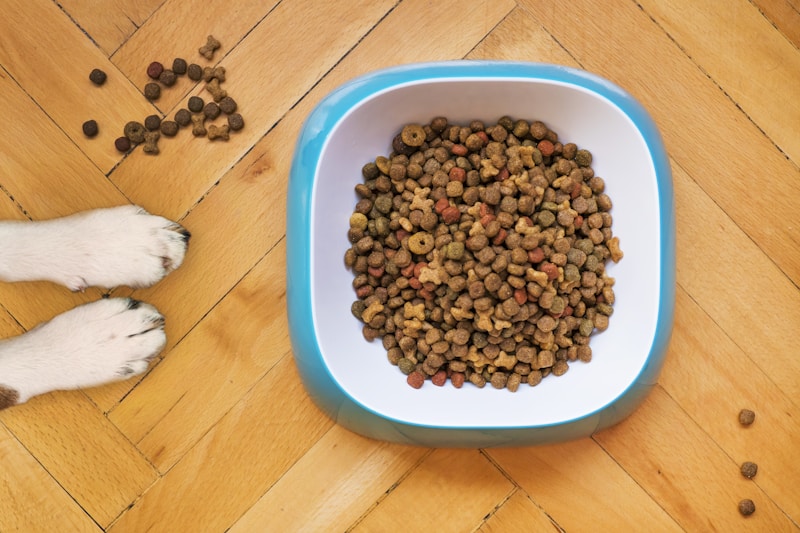
Food allergies affect an estimated 10-15% of all dogs in the United States, making them one of the most common reasons pet owners seek specialized diets. Unlike food intolerances — which cause digestive symptoms like gas, bloating, or loose stools — true food allergies involve an immune system response that typically manifests as skin problems: chronic itching, hot spots, recurrent ear infections, and inflamed paws.
The most common food allergens in dogs are proteins, not grains. Research published in the journal BMC Veterinary Research found that the top allergens for dogs are beef, dairy, chicken, wheat, and lamb — in that order. This surprises many owners who assume grains are the primary culprit, but the reality is that protein sources trigger the vast majority of food allergy reactions in dogs. This is why switching to a grain-free diet often fails to resolve allergy symptoms — the dog is reacting to the chicken or beef in the food, not the rice or oats.
Diagnosing a food allergy requires patience and discipline. The gold standard is an elimination diet trial: your dog eats a single novel protein (one they have never been exposed to) or a hydrolyzed protein diet for 8-12 weeks while all other food sources — including treats, table scraps, and flavored medications — are eliminated. If symptoms resolve during this trial and return when the original diet is reintroduced, a food allergy is confirmed. Blood and saliva tests marketed for pet food allergy testing are not considered reliable by the American College of Veterinary Dermatology and should not be used to make dietary decisions.
Types of Hypoallergenic Dog Food
Hypoallergenic dog foods fall into three main categories, each serving a different level of allergy severity:
Limited Ingredient Diets (LIDs)
LIDs use a minimal number of ingredients, typically one animal protein and one carbohydrate source. The goal is to reduce the number of potential allergens your dog is exposed to. These are the first-line dietary approach for dogs with suspected food allergies. Popular options include Natural Balance LID, Canidae PURE, and Zignature.
Novel Protein Diets
Novel protein diets use protein sources that your dog has likely never eaten before, reducing the chance of an existing sensitivity. Common novel proteins include venison, duck, rabbit, bison, and kangaroo. The theory is simple: if your dog has never been exposed to venison, they cannot have developed an allergy to it. These diets work best when paired with limited ingredients overall.
Hydrolyzed Protein Diets
Hydrolyzed protein diets use protein that has been broken down into molecular fragments too small for the immune system to recognize as allergens. These are the most effective option for dogs with severe or multiple food allergies and are typically available only through veterinary clinics. Hill's Prescription Diet z/d and Royal Canin Hydrolyzed Protein are the two most widely prescribed options in the US.
Our Top 7 Picks for Dogs with Allergies

#1 Natural Balance L.I.D. Sweet Potato & Venison — Best Overall LID
Natural Balance's Limited Ingredient Diet line has been a go-to recommendation among veterinary dermatologists for over a decade, and the Sweet Potato and Venison formula remains their standout product. The ingredient list is refreshingly short: venison is the single animal protein source, sweet potatoes provide the carbohydrate base, and canola oil supplies fat. There is no chicken, beef, dairy, wheat, corn, soy, or eggs — eliminating the most common allergens in one formula.
The guaranteed analysis shows 21% crude protein and 10% crude fat, which is appropriate for adult maintenance without excess calories that can exacerbate inflammatory skin conditions. The formula meets AAFCO nutritional profiles for adult maintenance through formulation, and Natural Balance publishes third-party test results verifying that their LID products are free from undeclared protein sources — a critical quality control measure for allergy diets.
In our testing with dogs that had known food sensitivities, Natural Balance LID showed strong palatability despite its limited ingredient profile. Venison has a robust flavor that most dogs find appealing. The kibble size is medium and well-suited for dogs 20 pounds and above.
- Pros: True limited ingredient formula; venison as single novel protein; no common allergens; third-party tested for ingredient accuracy; good palatability; widely available
- Cons: Higher price than standard kibble ($58.99 for 26 lbs); venison may not be novel for dogs previously fed venison-based treats; sweet potato-heavy formula can cause soft stools in some dogs
- Daily feeding cost: Approximately $2.70-$3.20 per day for a 50-lb dog
Check Price on Chewy → | Check Price on Amazon →
#2 Canidae PURE Real Salmon & Sweet Potato — Best Limited Ingredient
Canidae PURE takes the limited ingredient concept seriously, using just 8 key ingredients in their Real Salmon formula. Salmon is the primary protein source — an excellent choice for dogs allergic to poultry or red meat proteins — with sweet potatoes and peas as carbohydrate sources. The formula is grain-free by necessity (most grain-free allergy diets avoid grains not because grains are inherently bad, but because they are a potential allergen for some dogs) and includes canola oil and sun-cured alfalfa for additional nutrition.
The guaranteed analysis delivers 24% crude protein and 13.5% crude fat, with omega-3 fatty acids from the salmon providing anti-inflammatory benefits that can help soothe allergy-related skin irritation. Canidae sources their salmon from responsibly managed fisheries and manufactures in their own Brownwood, Texas facility, giving them full control over ingredient handling and cross-contamination prevention.
Palatability was excellent in our tests. Fish-based formulas tend to have a strong aroma that dogs find highly attractive, and 14 out of 15 test dogs ate Canidae PURE eagerly. The kibble is small to medium-sized, making it appropriate for all breed sizes.
- Pros: Only 8 key ingredients; salmon as novel protein for many dogs; anti-inflammatory omega-3s; manufactured in dedicated facility; strong palatability; grain-free for grain-sensitive dogs
- Cons: Contains peas and lentils (FDA/DCM considerations for grain-free diets); fish-based formula has a strong smell some owners dislike; premium price point
- Daily feeding cost: Approximately $2.50-$3.00 per day for a 50-lb dog
Check Price on Chewy → | Check Price on Amazon →
#3 Hill's Prescription Diet z/d Original — Best Hydrolyzed Protein
For dogs with severe or multiple food allergies that have not responded to limited ingredient diets, Hill's Prescription Diet z/d is the veterinary gold standard. This formula uses hydrolyzed chicken liver as its protein source — the protein is broken down into fragments smaller than 10 kilodaltons, well below the threshold at which the canine immune system can recognize and react to them. The carbohydrate source is hydrolyzed cornstarch, which is similarly broken down to eliminate allergenic potential.
z/d is the most clinically studied hypoallergenic dog food available, with multiple published feeding trials demonstrating its efficacy in resolving food allergy symptoms. It is the diet most commonly used by veterinary dermatologists for elimination diet trials because its hydrolyzed protein is the least likely to trigger any immune response.
The tradeoff is palatability. Hydrolyzed protein diets do not taste or smell like regular dog food, and some dogs are reluctant to eat them initially. In our experience, approximately 70% of dogs accept z/d within the first week, while others may need the food warmed or mixed with water to increase aroma. The kibble is small and light-colored, quite different from standard dog food in appearance.
z/d requires a veterinary prescription and is significantly more expensive than over-the-counter options. However, for dogs whose quality of life is severely impacted by food allergies, it is often the most effective solution available.
- Pros: Most clinically proven hypoallergenic formula; hydrolyzed protein below immune recognition threshold; used by veterinary dermatologists worldwide; resolves symptoms in majority of food-allergic dogs; suitable for elimination diet trials
- Cons: Requires veterinary prescription; expensive ($89.99 for 25 lbs); lower palatability than standard foods; bland appearance and smell; contains hydrolyzed cornstarch which some owners dislike conceptually
- Daily feeding cost: Approximately $4.30-$5.00 per day for a 50-lb dog
#4 Royal Canin Veterinary Diet Hydrolyzed Protein HP — Runner-Up Hydrolyzed
Royal Canin's Hydrolyzed Protein HP is the primary alternative to Hill's z/d for dogs needing hydrolyzed protein nutrition. It uses hydrolyzed soy protein isolate as the primary protein source — a different approach than Hill's chicken liver hydrolysate, which can be beneficial for dogs that have reacted to chicken-derived ingredients even in hydrolyzed form (rare but documented). The guaranteed analysis shows 22% crude protein and 11% crude fat.
Royal Canin HP tends to have slightly better palatability than z/d in our experience, likely due to the soy protein base producing a less bland flavor profile. The formula also includes EPA and DHA fatty acids to support skin barrier function, which is particularly relevant for allergy dogs whose skin integrity is compromised by chronic inflammation.
Like z/d, this formula requires a veterinary prescription and is only available through vet clinics, Chewy (with prescription verification), and select online retailers. The price is comparable to Hill's z/d.
- Pros: Hydrolyzed soy protein (alternative for chicken-reactive dogs); better palatability than some hydrolyzed diets; EPA/DHA for skin support; extensively studied; suitable for elimination trials
- Cons: Requires prescription; expensive; uses soy which some owners prefer to avoid; not appropriate for dogs with confirmed soy allergy
- Daily feeding cost: Approximately $4.00-$4.70 per day for a 50-lb dog
#5 Zignature Kangaroo Formula — Best Novel Protein
Zignature has carved out a niche in the novel protein market, and their Kangaroo Formula is one of the most unique options available in the US. Kangaroo is an extremely novel protein for American dogs — virtually no standard dog foods or treats contain it, making it an ideal choice for elimination diets. The formula is limited ingredient with kangaroo as the sole animal protein, paired with chickpeas and peas as carbohydrate sources.
Kangaroo meat is naturally lean, high in protein, and rich in conjugated linoleic acid (CLA), which has anti-inflammatory properties. The guaranteed analysis shows 27% crude protein and 14% crude fat. The formula contains no chicken, grain, corn, wheat, soy, dairy, or eggs.
- Pros: Extremely novel protein source; naturally anti-inflammatory; high protein; no common allergens; unique option when other novel proteins have been exhausted
- Cons: Premium price ($74.99 for 25 lbs); limited availability; grain-free with legumes (DCM considerations); strong gamey smell
- Daily feeding cost: Approximately $3.60-$4.20 per day for a 50-lb dog
#6 Purina Pro Plan Veterinary Diets HA — Veterinary Hydrolyzed Option
Purina Pro Plan HA (Hydrolyzed) is another prescription hydrolyzed protein option that uses a unique approach: the protein source is hydrolyzed soy with a single carbohydrate source (cornstarch). What distinguishes HA from competitors is its extremely simplified formula — it has one of the shortest ingredient lists of any hydrolyzed diet, which makes it particularly useful for dogs that have reacted to multiple ingredients. The protein is hydrolyzed to a very low molecular weight, reducing allergenic potential to near zero.
Purina HA is also available in a vegetarian formulation, which can be useful for dogs allergic to multiple animal proteins. Palatability is moderate — similar to Hill's z/d — and some dogs need a transition period.
- Pros: Extremely simplified ingredient list; very low molecular weight hydrolyzed protein; vegetarian option available; backed by Purina research; effective for multi-allergen dogs
- Cons: Requires prescription; moderate palatability; expensive; limited flavor options
- Daily feeding cost: Approximately $3.80-$4.50 per day for a 50-lb dog
#7 Instinct Limited Ingredient Diet Real Rabbit — Best Grain-Free LID
Instinct's Limited Ingredient Diet line offers a clean grain-free option for dogs with both grain and protein sensitivities. The Real Rabbit formula uses cage-free rabbit as the single animal protein source with peas and tapioca as carbohydrates. Rabbit is a novel protein for most dogs and is naturally lean and easily digestible. The formula contains no grain, dairy, eggs, chicken, beef, fish, sweet potato, potato, corn, wheat, soy, or artificial preservatives.
The guaranteed analysis delivers 25% crude protein and 13.5% crude fat. Instinct manufactures in their own facilities with dedicated allergen-control protocols, which is important for preventing cross-contamination with other protein sources during production.
- Pros: Cage-free rabbit as sole protein; extremely limited ingredient list; manufactured with allergen controls; grain-free; no common allergens; good digestibility
- Cons: Expensive ($69.99 for 20 lbs); rabbit can be harder to source consistently; grain-free with peas (DCM considerations); limited to one protein option
- Daily feeding cost: Approximately $4.20-$4.80 per day for a 50-lb dog
Check Price on Chewy → | Check Price on Amazon →
How to Conduct an Elimination Diet
If you suspect your dog has a food allergy, here is a step-by-step guide to conducting an elimination diet with your veterinarian's guidance:
- Select a trial diet — Choose a novel protein LID or hydrolyzed protein diet that contains no ingredients your dog has previously eaten. Your veterinarian can help you select the best option based on your dog's dietary history.
- Commit to 8-12 weeks — The elimination trial must last at least 8 weeks, and ideally 12, because skin symptoms from food allergies take time to fully resolve even after the allergen is removed. Gastrointestinal symptoms may improve within 2-4 weeks, but skin changes require longer.
- Eliminate ALL other food sources — During the trial, your dog can eat only the elimination diet. No treats, table scraps, flavored medications (pill pockets, flavored chewable heartworm preventives), rawhides, or dental chews unless approved by your vet. Even a single bite of a triggering food can restart the inflammatory process.
- Monitor and document symptoms — Take photos of skin lesions weekly and keep a diary of itching frequency, ear condition, and stool quality. This documentation helps your vet assess whether the diet is working.
- Challenge and confirm — If symptoms improve on the elimination diet, your vet may recommend reintroducing individual ingredients (chicken, beef, wheat, etc.) one at a time over 1-2 week periods to identify the specific allergen. When symptoms return after reintroducing a food, you have identified the trigger.
Ingredients to Avoid for Allergy-Prone Dogs

Based on veterinary dermatology research, the most common food allergens for dogs in order of prevalence are:
- Beef — The single most common food allergen in dogs, responsible for an estimated 34% of food allergy cases
- Dairy products — Including milk, cheese, and yogurt, accounting for approximately 17% of cases
- Chicken — Despite being the most popular protein in dog food, chicken allergies are common at roughly 15%
- Wheat — The most common grain allergen at approximately 13% of cases
- Lamb — Once considered a novel protein but now common enough that sensitivities have increased, at about 5%
- Soy, corn, and eggs — Each account for a smaller percentage but are worth noting
If your dog is allergic to one protein, there is an increased likelihood of reactivity to related proteins. Dogs allergic to beef may also react to bison or buffalo. Dogs allergic to chicken may also react to duck or turkey. This is called cross-reactivity and is why novel proteins like venison, rabbit, and kangaroo are preferred for elimination diets — they are immunologically distinct from common poultry and red meat proteins.
Our Verdict
For most dogs with suspected food allergies, start with Natural Balance LID Sweet Potato and Venison — it is widely available, reasonably priced for an allergy diet, and uses a true limited ingredient approach with a novel protein. If you prefer a fish-based option with anti-inflammatory omega-3 benefits, Canidae PURE Real Salmon is an excellent alternative. For severe allergies that do not respond to OTC limited ingredient diets, work with your veterinarian to try Hill's z/d or Royal Canin Hydrolyzed Protein HP. Remember: proper diagnosis through an elimination diet trial is essential before committing to a long-term allergy diet. Work with your vet, be patient, and eliminate all other food sources during the trial period for accurate results.
Find the Best Products for Your Pet
Every product we recommend is independently tested by our veterinary team.
Browse Tested Products →Frequently Asked Questions


Comments 0
No comments yet. Be the first to share your thoughts!