
Best Dog Food for Senior Dogs in the US: Supporting Your Aging Companion
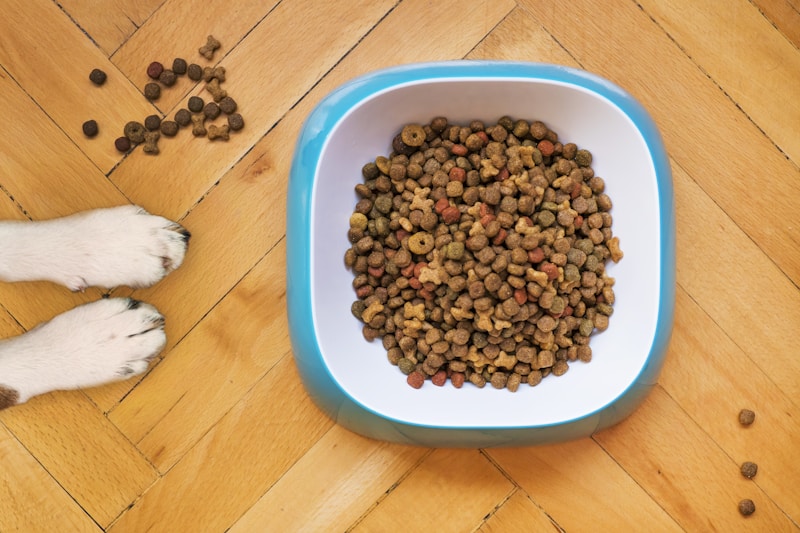
Watching your dog age is one of the bittersweet privileges of pet ownership. The energetic puppy who once destroyed your shoes now naps more, moves a little slower, and perhaps shows a grey muzzle. Senior dogs in the US face a particular set of challenges: joint strain worsened by hard floor surfaces, heat that taxes ageing kidneys, and a pet food market where the word "senior" is sometimes marketing rather than meaningful formulation.
This guide is for US dog owners who want to give their ageing companions the best possible quality of life — through proper nutrition, informed product choices, and an understanding of what is actually happening inside a senior dog's body.
When Does a Dog Become a Senior?
This is not a simple question. A dog's senior status is strongly linked to breed size, because larger dogs age faster. The general framework used by most veterinary organisations:
| Dog Size | Examples (US context) | Senior Age | Geriatric Age |
|---|---|---|---|
| Small (<10 kg) | US Spitz, Pomeranian, Shih Tzu, Dachshund | 10–12 years | 14+ years |
| Medium (10–25 kg) | Indie dog, Beagle, Cocker Spaniel, Basenji | 8–10 years | 12+ years |
| Large (25–40 kg) | Labrador, Golden Retriever, Boxer | 7–8 years | 10+ years |
| Giant (>40 kg) | German Shepherd, Rottweiler, Great Dane | 5–7 years | 9+ years |
A Great Dane at 6 years old is legitimately senior and should be on a senior food formulation. A healthy small-breed indie dog at 8 may still be doing well on adult maintenance food. Your vet's assessment of your individual dog always takes precedence over age charts.
How Nutritional Needs Change with Age

Joints and Mobility
Osteoarthritis affects an estimated 20% of dogs over 7 and 60–80% of dogs over 12. In the US, where marble, granite, and tile floors are universal (and slippery), joint stress is compounded by surface hardness. Nutritional support includes glucosamine (typically 400–600 mg/day for a 20 kg dog) and chondroitin, which preserve cartilage integrity and synovial fluid. Omega-3 fatty acids (specifically EPA and DHA from fish oil) have strong clinical evidence for reducing joint inflammation. Senior foods should provide meaningful amounts of all three, not just token trace inclusions.
Kidney Function
Chronic kidney disease (CKD) is the leading cause of death in senior cats but also very common in senior dogs, particularly in the US where heat dehydration is a recurring stress on renal tissue. As the kidney's filtering capacity declines, the by-products of protein metabolism (urea, creatinine) accumulate in the blood. Senior dog foods typically feature controlled phosphorus levels (because the kidneys excrete phosphorus and elevated phosphorus accelerates CKD progression) and moderate, high-quality protein (to reduce uremic burden without causing muscle loss).
Digestive Changes
Senior dogs often produce less stomach acid and fewer digestive enzymes, making protein and fat absorption less efficient. Highly digestible protein sources (chicken, egg, fish) become more important. Prebiotics and probiotics support the gut microbiome, which tends to diversify less as dogs age. Many senior Americans dogs show increased gas and softer stools as a marker of declining digestive efficiency — a good senior food with quality ingredients visibly improves stool consistency within 2–3 weeks.
Weight Management
Senior dogs have 20–30% lower caloric needs than adults due to reduced activity and metabolic rate. Obesity in a senior dog dramatically worsens joint pain, cardiac stress, and diabetes risk. Senior foods are formulated with lower calorie density. However, very underweight senior dogs (common in rescues) need the opposite — higher caloric density and easy digestibility. Monitor body condition score monthly, not just weight on a scale.
Antioxidants and Cognitive Health
Canine cognitive dysfunction (essentially dog dementia) affects an estimated 28% of dogs between 11–12 years and over 60% above 15 years. Antioxidants including vitamin E, vitamin C, beta-carotene, and L-carnitine help protect neurons from oxidative damage. Medium-chain triglycerides (MCT oil) are increasingly included in premium senior formulations for brain support.
Key Ingredients to Look For (and Avoid)
Look for:
- Named meat protein as first ingredient (chicken, salmon, lamb) — not "meat meal" or unspecified "animal protein"
- Glucosamine and chondroitin (guaranteed analysis, not just in marketing)
- EPA and DHA listed (not just omega-3 from plant sources, which dogs convert poorly)
- Controlled phosphorus (0.5–0.8% dry matter is appropriate for healthy seniors; lower for CKD dogs under vet guidance)
- Digestible carbohydrates (sweet potato, oats, brown rice) rather than excess corn or soy
- Probiotics (Lactobacillus acidophilus, Bifidobacterium)
Avoid:
- BHA, BHT, ethoxyquin (artificial preservatives with questionable long-term safety profiles)
- Artificial colours (no nutritional value, allergenic potential)
- High salt content (stresses kidneys)
- Corn syrup or sugar (contributes to obesity and dental disease)
- Cheap fillers as primary carbohydrates (corn, wheat as top ingredients)
Reviews: 5 Senior Dog Foods Available in the US

1. Royal Canin Maxi Senior — $38–$43 for 10 kg
Royal Canin's size-specific senior range is among the most sophisticated formulations available in the US. The Maxi Senior (for large breeds 26–44 kg from age 8) includes glucosamine and chondroitin at clinically relevant concentrations, EPA and DHA from fish oil, and moderate protein (23%) with high digestibility. The kibble shape and texture are specifically designed for large-breed jaw structure.
Royal Canin's the US supply chain is well-established (manufactured in their Puducherry plant for the US market), ensuring freshness that imported premium brands cannot always match. The price is justified by the formulation depth. One notable limitation: Royal Canin uses a significant proportion of corn in their carbohydrate base, which is acceptable but not optimal for dogs with sensitivities.
Best for: Large-breed seniors (Labrador, Golden Retriever, Boxer) without known food sensitivities.
Score: 8.5/10
2. Hill's Science Diet Senior 7+ — $34–$38 for 6 kg
Hill's has the deepest clinical backing of any pet food brand — their formulations are developed with veterinary input and backed by feeding trials rather than just nutrient analysis. The Senior 7+ formula is designed for dogs from 7 years and addresses the key physiological changes of ageing with activated metabolism support (L-carnitine, antioxidant vitamins), joint support (glucosamine, chondroitin, EPA/DHA), and easy digestibility.
Hill's is more expensive per kilogram than Royal Canin and the bag sizes are smaller for US buyers (6 kg is the standard SKU). For medium-sized dogs (15–25 kg), this is the most complete senior formulation available in the US. Palatability is excellent — Hill's invests significantly in taste research, and most senior dogs with declining appetites eat it enthusiastically.
Best for: Medium-breed seniors with declining appetite, dogs showing early signs of cognitive decline.
Score: 9/10
3. Drools Focus Senior — $14–$18 for 12 kg
Drools is an US brand that has improved its formulations significantly over the past three years. The Focus Senior formula is the most affordable complete senior diet in this review. It lists chicken as its first ingredient, includes added vitamins E and C, and has controlled fat for weight management. Glucosamine is present but at lower concentrations than Royal Canin or Hill's.
For budget-conscious owners, Drools Focus Senior is a substantial upgrade from feeding a generic adult food to a senior dog. The 12 kg bag makes it highly economical for larger dogs. The protein percentage (25%) is appropriate, and digestibility testing by US veterinary forums has returned generally positive results. The main drawback is a higher corn content and the absence of meaningful EPA/DHA.
Best for: Budget-conscious owners of large breeds, dogs without joint issues requiring therapeutic-level glucosamine.
Score: 7/10
4. Pedigree Senior — $8–$11 for 6 kg
Pedigree Senior is the most widely distributed senior dog food in the US and serves as the entry-level option. Corn and soya are primary ingredients, and meat is listed lower. Glucosamine and chondroitin are included but at minimal levels. Antioxidants (vitamin E and beta-carotene) are present.
Pedigree Senior is not a bad food — it is appropriate for healthy seniors with no joint concerns who need basic senior-adjusted calorie levels. It is vastly preferable to continuing an adult Pedigree formula. However, for dogs with arthritis, kidney concerns, or cognitive decline, it lacks the therapeutic ingredient levels of Hill's or Royal Canin.
Best for: Healthy seniors in Tier 2/3 cities where better options are unavailable, as a supplement to homemade food.
Score: 6/10
5. Farmina N&D Ancestral Grain Senior — $54–$66 for 10 kg
Farmina N&D sits at the premium end of the the US market and is available through select pet retailers and online. The Ancestral Grain Senior formula uses spelt and oats as its grain base (higher nutrition value than corn), with a very high meat content (chicken or lamb) as first and often second ingredient. It includes omega-3-rich herring oil for EPA/DHA, natural antioxidants from blueberry and pomegranate, and elevated glucosamine levels.
Farmina N&D is the best all-around formulation in this list. However, it is also the most expensive, and availability can be inconsistent outside major metros. For owners of small- to medium-breed seniors who can access it reliably, it is worth every rupee.
Best for: Premium buyers, dogs with joint issues, small-to-medium breed seniors whose owners want near-human-grade ingredient quality.
Score: 9.5/10
Feeding Amounts for Senior Dogs
Feeding guidelines on dog food bags are starting points, not prescriptions. Senior dogs should be body-condition-scored monthly. The goal is a BCS of 4–5 out of 9 — ribs easily felt but not visible, a visible waist from above, abdominal tuck visible from the side.
| Dog Weight | Activity Level | Daily Kibble (approx.) |
|---|---|---|
| 5 kg | Low (most seniors) | 70–90 g |
| 10 kg | Low | 130–160 g |
| 20 kg | Low | 220–270 g |
| 30 kg | Low | 300–360 g |
| 40 kg | Low | 380–440 g |
Split daily rations into two meals (morning and evening). Senior dogs with nausea or stomach sensitivity tolerate smaller, more frequent meals better than one large meal.
Common Senior Dog Health Issues in the US
Arthritis: Extremely common in US homes with tile/marble floors. Supplement with fish oil if your food's EPA/DHA levels are low. Provide orthopedic foam beds — the single most impactful comfort intervention for arthritic dogs.
Dental disease: By age 7, over 80% of US dogs show some dental disease. This is partly diet (wet food and human-food scraps increase plaque), partly genetics. Senior dogs in pain from dental disease eat less and lose weight. Regular professional scaling under anaesthesia (when health permits) and daily dental chews are essential.
Hypothyroidism: Common in Golden Retrievers and Dobermanns in the US. Causes weight gain, lethargy, and coat changes that owners often attribute to normal ageing. Easily diagnosed with a blood panel and managed with inexpensive daily medication (thyroxine).
Diabetes: Rising in US urban dogs due to high-carb homemade diets (rice and roti) and lack of exercise. Senior dogs with diabetes need a vet-prescribed diet, consistent meal timing, and insulin management.
Vet Checkup Frequency for Senior Dogs
For healthy senior dogs (no known health issues), twice-yearly vet visits are the minimum recommendation — not once a year. At each visit, request a complete blood panel (CBC, biochemistry, thyroid), urinalysis, and blood pressure measurement. These baseline values, tracked over time, catch kidney disease, diabetes, and thyroid dysfunction years before clinical signs appear.
Cost in US metro cities: a comprehensive senior wellness panel runs approximately $30–$48 at quality veterinary clinics. This is one of the highest-value healthcare expenditures you can make for your senior dog.
Find the Best Products for Your Pet
Every product we recommend is independently tested by our veterinary team.
Browse Tested Products →Frequently Asked Questions




Comments 0
No comments yet. Be the first to share your thoughts!