
When Is a Dog Actually 'Senior'?
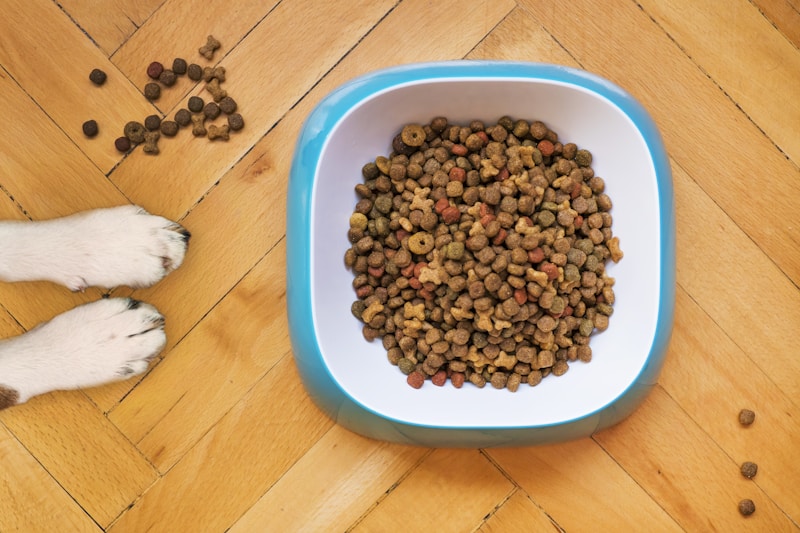
The marketing on dog food bags would have you believe every dog over seven is a senior. The reality is more nuanced — and getting this wrong means either switching to senior food too early (depriving an active dog of appropriate calories and protein) or too late (missing the nutritional window when joint support and antioxidants are most impactful).
Senior life stage is determined by breed size, because larger dogs age faster at the cellular level:
| Breed Size | Adult Weight | Senior Life Stage Begins | Examples |
|---|---|---|---|
| Small | Under 10 kg | 10–12 years | Pomeranian, Shih Tzu, Dachshund |
| Medium | 10–25 kg | 9–10 years | Beagle, Cocker Spaniel, US Indie |
| Large | 25–45 kg | 7–8 years | Labrador, German Shepherd, Golden Retriever |
| Giant | 45+ kg | 5–6 years | Great Dane, Saint Bernard, Neapolitan Mastiff |
The key signal is not a birthday — it is a combination of physiological markers your vet can assess: blood panel results (kidney, liver, thyroid), body condition score, mobility assessment, and dental health. Use size as a rough guide; use your vet as the actual authority.
How a Senior Dog's Nutritional Needs Change
Ageing changes the dog's body in ways that directly require dietary adjustments. Understanding what is changing helps you evaluate whether a given senior food actually addresses those changes — or just slaps 'Senior' on an adult formula with minor tweaks.
Calorie Needs: Usually Lower, Sometimes Higher
Most senior dogs have reduced activity levels and declining muscle mass, meaning their basal metabolic rate drops. Overweight senior dogs are at significantly higher risk of diabetes, joint deterioration, and cardiovascular disease. A good senior food typically provides 10–15% fewer calories per cup than its adult counterpart. However, some senior dogs — particularly those with cancer, chronic illness, or hyperthyroidism — actually become underweight and need calorie-dense food. There is no single rule; assess body condition score monthly.
Protein: The Science Has Changed
For decades, US vets commonly advised reducing protein in senior dogs to protect the kidneys. This was based on early research in rodents and has been comprehensively revised. Current consensus from the American Academy of Veterinary Nutrition is that healthy senior dogs need the same or more protein than younger adults to maintain muscle mass. Sarcopenia (age-related muscle loss) is a major driver of decline in senior dogs, and inadequate protein accelerates it dramatically. Protein restriction is only appropriate for dogs with diagnosed, progressing kidney disease under veterinary supervision. For all other senior dogs, aim for a food with at least 25–28% crude protein on a dry matter basis.
Joint Support: Glucosamine, Chondroitin, and Omega-3
Osteoarthritis affects an estimated 20% of all dogs over seven, and in large breeds — Labradors, German Shepherds — the figure approaches 50%. Three ingredients address joint health in evidence-backed ways:
- Glucosamine and chondroitin: Structural components of cartilage. Food-level doses are modest; dogs with established arthritis benefit more from dedicated joint supplements or veterinary-grade joint diets delivering therapeutic doses (around 20 mg/kg body weight daily).
- Omega-3 fatty acids (EPA and DHA): From fish oil. Omega-3s reduce synovial inflammation — the same biological process that drives joint pain. Multiple clinical trials in dogs show measurable improvement in mobility with daily fish oil supplementation at 75–100 mg combined EPA+DHA per kg body weight.
- Green-lipped mussel extract: An emerging ingredient in premium senior foods. Contains unique long-chain omega-3 fatty acids (ETA) not found in standard fish oil, with promising preliminary data for joint inflammation reduction.
Digestive Function: Declining Efficiency
Ageing dogs produce fewer digestive enzymes and have reduced gut motility. Senior foods typically address this with higher fibre, prebiotic compounds (chicory, FOS), and more digestible protein sources. If your senior dog has frequent loose stools or struggles with large meals, splitting daily intake into three smaller meals often helps regardless of the food used.
Kidney and Heart Support
Chronic kidney disease (CKD) is the second leading cause of death in senior dogs globally. While significant protein restriction is only appropriate for advanced CKD, all senior dogs benefit from controlled phosphorus levels in their food — phosphorus accelerates kidney decline even before creatinine levels rise. Good senior foods use phosphorus binders or restrict total phosphorus content. Similarly, omega-3 fatty acids and L-carnitine support cardiac function and are worth seeking in a senior formula.
Reviews: Best Senior Dog Foods in the US

1. Royal Canin Maxi Ageing 8+ — Best for Large Senior Breeds
Price: Approximately $34–$42 for 3 kg (≈$11–$14/kg) | Daily cost for a 30 kg dog: $1–$1
Royal Canin's Maxi Ageing 8+ is formulated specifically for large-breed dogs from 8 years of age — a precision that no budget brand attempts. The formula addresses the three primary concerns of large senior dogs: joint degeneration (glucosamine, chondroitin, EPA/DHA), kidney protection (controlled phosphorus, reduced to 0.56%), and muscle maintenance (adapted protein at 25% with enhanced digestibility).
The kibble is specially shaped and sized for older large dogs who may have dental issues or reduced jaw strength. L-carnitine is included to support fat metabolism and cardiac function. Antioxidant complex (vitamin E, vitamin C, taurine, lutein) addresses oxidative stress, which is measurably elevated in ageing cells.
The main criticism — and it applies to the entire Royal Canin range — is the ingredient list: corn, rice, and wheat feature ahead of the protein source by weight. The nutritional engineering is excellent; the ingredient marketing is not impressive. For owners who judge food by the front of the label, Royal Canin will always disappoint. For owners who judge food by what it actually does for their dog's health, it consistently delivers.
Best for: Labradors, German Shepherds, Golden Retrievers from 8 years of age. Also available as Maxi Ageing 8+ and Mini Ageing 12+ for different size seniors.
2. Hill's Science Diet Senior 7+ — Best Research-Backed Formula
Price: Approximately $35–$43 for 3 kg (≈$12–$14/kg) | Daily cost for a 20 kg dog: $1–$1
Hill's Science Diet has published more peer-reviewed nutritional research than any other pet food brand. The Senior 7+ formula specifically targets dogs from seven years onward — making it one of the earliest-switching senior foods on the market, appropriate for large-breed dogs entering their senior phase.
The formula is clinically shown to improve vitality markers (activity levels, coat quality, muscle mass) in senior dogs within 30 days, based on Hill's published feeding trials. Controlled phosphorus (a genuine concern for early kidney protection), enhanced antioxidants (vitamin E, beta-carotene), and omega-3 from fish oil are its nutritional pillars.
One genuine strength of Hill's over Royal Canin for senior dogs: Hill's publishes its Lifelong Benefit data, showing organ function improvement with long-term feeding. This is not marketing — it is the output of actual controlled trials. For owners managing dogs with early signs of organ ageing, this evidence base is reassuring.
Best for: Dogs with early kidney concerns, owners whose vets specifically recommend Hill's, medium-to-large senior dogs. Hill's K/D is the prescription upgrade for dogs with diagnosed CKD.
3. Pedigree Senior — Budget Assessment
Price: Approximately $8–$11 for 3 kg (≈$3–$4/kg) | Daily cost for a 20 kg dog: $1–$1
Pedigree Senior is the US's most widely accessible senior food and the only realistic option for many pet owners outside major cities. It meets AAFCO adult maintenance standards (not a dedicated senior standard, as no such regulatory standard exists) and is formulated with reduced calories and some antioxidant additions compared to Pedigree Adult.
The honest assessment: Pedigree Senior is a mediocre food that is far better than nothing. Cereals are the primary ingredient, protein sits at around 20% — on the low side for maintaining senior muscle mass — and the glucosamine and omega-3 levels are nominal rather than therapeutic. It does not actively harm healthy senior dogs, but it does not address the specific nutritional challenges of ageing with any precision.
If Pedigree Senior is your only option, supplement with fish oil (1–2 fish oil capsules daily for a 20 kg dog) and consider a separate joint supplement. This costs an additional $1–$1 per day but meaningfully improves the nutritional profile beyond what the base food delivers.
Best for: Budget-constrained owners; supplement heavily if using this food for any dog with joint or kidney concerns.
4. Purina Pro Plan Senior — Best Palatability with Clinical Support
Price: Approximately $29–$36 for 3 kg (≈$10–$12/kg) | Daily cost for a 20 kg dog: $1–$1
Purina Pro Plan Senior is formulated for dogs from 7 years onward and carries some of the best palatability ratings in its category — important for senior dogs who often develop finicky eating habits or reduced appetite. The formula uses salmon or chicken as the first ingredient, 30% crude protein on a dry matter basis (excellent for maintaining muscle mass), and includes live probiotic cultures for digestive support.
Pro Plan Senior also contains optimal levels of EPA and DHA from fish oil, specifically dosed for the anti-inflammatory benefit in joints. L-carnitine is included to support fat metabolism as senior dogs shift their energy usage patterns. The kibble texture is slightly softer than younger-dog formulas, accommodating senior dogs with dental wear.
Purina publishes the PPVD (Purina Pro Plan Veterinary Diets) research programme, with specific publications on longevity, cognitive function, and organ health in senior dogs. This places Pro Plan in the same evidence-based tier as Hill's, with slightly better palatability in most real-world feeding reports.
Best for: Senior dogs with reduced appetite, owners who want a balance of palatability and scientific rigour, medium-to-large senior breeds.
5. Drools Focus Senior — Best Value Brand for Seniors
Price: Approximately $9–$12 for 3 kg (≈$3–$4/kg) | Daily cost for a 20 kg dog: $1–$1
Drools Focus Senior is a meaningful improvement over Pedigree Senior and represents the best value-for-money option for senior dogs in the US when budget is a real constraint. The formula uses chicken as the primary protein source, crude protein is approximately 25% (adequate for senior muscle maintenance), and the formula includes added glucosamine and chondroitin at stated levels.
DHA is included from fish oil, which is a meaningful addition absent from Pedigree Senior. The Focus range also avoids the artificial colours found in basic Pedigree. Calorie density is appropriately reduced for senior dogs versus the standard Drools adult range.
The limitation remains the lack of published feeding trial data and the relatively modest levels of joint-support ingredients. For a 20 kg senior dog with early arthritis, supplement Drools Focus Senior with a dedicated joint supplement for therapeutic glucosamine doses. As a base food, it is solid mid-range nutrition at a price most US families can sustain throughout the senior years.
Best for: Cost-conscious owners who want better than Pedigree; US mixed-breed senior dogs; budget seniors requiring supplementation.
Key Ingredients Scorecard
| Brand | Protein % | Phosphorus Control | EPA/DHA Source | Glucosamine | Price/kg |
|---|---|---|---|---|---|
| Royal Canin Maxi Ageing 8+ | 25% | Yes (0.56%) | Fish oil | Yes | $11–$14 |
| Hill's Science Diet 7+ | 16% (DM ~25%) | Yes | Fish oil | Yes | $12–$14 |
| Purina Pro Plan Senior | 30% | Moderate | Fish oil | Yes | $10–$12 |
| Drools Focus Senior | 25% | Moderate | Fish oil | Yes (low dose) | $3–$4 |
| Pedigree Senior | 20% | Not specified | Not specified | Trace | $3–$4 |
Signs Your Senior Dog Needs a Food Change

Do not wait for crisis to reassess your senior dog's food. Watch for these signals:
- Unexplained weight gain or loss: More than 10% body weight change in 4–6 weeks without a dietary change warrants investigation.
- Reduced energy or increased sleep: Beyond the normal senior slowdown, excessive lethargy can indicate nutritional deficiency or emerging health issues.
- Stiff joints in the morning: Morning stiffness that eases after 10–15 minutes of movement is a classic early arthritis sign. This is the time to add joint support — before the stiffness becomes all-day.
- Coat quality decline: Dull, flaky coat or increased shedding in a senior dog often reflects inadequate omega-3 or protein levels.
- Increased thirst and urination: Classic early kidney or diabetes warning signs. Requires blood and urine testing, not a food change.
- Selective eating or loss of appetite: Can indicate dental pain (a very common undetected issue in US senior dogs) or advancing organ disease.
Supplements Worth Adding for Senior Dogs in the US
Even the best senior dog food benefits from strategic supplementation. Here is what the evidence actually supports:
- Fish oil (EPA+DHA): 1,000–2,000 mg combined EPA+DHA daily for a 20 kg dog. Buy human-grade fish oil in capsule or liquid form. Refrigerate after opening. This is the single highest-value supplement for senior dogs.
- Joint supplements (glucosamine + chondroitin): If your food does not deliver therapeutic doses, a separate supplement is warranted for dogs with arthritis signs. Synflex or similar glucosamine+chondroitin supplements are available from US pet retailers and vet clinics.
- Vitamin E: A antioxidant that supports cognitive function and cellular repair in ageing dogs. Many senior foods include it at functional levels; if not, 100–400 IU daily is safe for medium-to-large dogs.
- Probiotics: Senior dogs have reduced intestinal motility. A daily probiotic (Fortiflora, Proviable, or human-grade lactobacillus capsules) supports digestive health, immunity, and even cognitive function through the gut-brain axis.
Senior Dogs in US Heat: Practical Management
the US's climate presents specific challenges for senior dogs that owners in temperate climates do not face. Senior dogs have less effective thermoregulation than young adults, making them significantly more vulnerable to heat stress.
Summer feeding strategy: Feed in the early morning and late evening when temperatures are lower. Reduce kibble portions slightly in peak heat (April–June) and consider adding wet food or home-cooked toppers to increase hydration. Encourage water intake by adding a small amount of low-sodium bone broth to the water bowl.
Arthritis and monsoon: Many senior US dog owners report worsening joint stiffness during the monsoon months — cold damp weather aggravates inflammatory arthritis. This is the period to ensure joint supplement levels are optimal and to consider adding turmeric (with black pepper) as an anti-inflammatory topper — US home remedies have genuine anti-inflammatory mechanisms, though doses for dogs should be discussed with your vet.
Vet visit frequency: Move from annual to biannual vet visits once your dog enters the senior life stage. Blood panels, urinalysis, and a blood pressure check every six months allow early detection of the four most common senior conditions — CKD, heart disease, cancer, and diabetes — at a stage when management is most effective.
Our Verdict
For large-breed senior dogs (Labradors, GSDs, Golden Retrievers), Royal Canin Maxi Ageing 8+ is the most precisely calibrated formula available in the US. Its controlled phosphorus and size-specific engineering make it the safest choice for the breeds most prone to joint and kidney decline.
For owners who prioritise published research and vet endorsement: Hill's Science Diet Senior 7+ or Purina Pro Plan Senior are both excellent and broadly equivalent.
For budget-constrained owners: Drools Focus Senior is a meaningfully better choice than Pedigree Senior and worth the modest price premium. Supplement with fish oil and a joint supplement for best results.
Find the Best Products for Your Pet
Every product we recommend is independently tested by our veterinary team.
Browse Tested Products →Frequently Asked Questions




Comments 0
No comments yet. Be the first to share your thoughts!